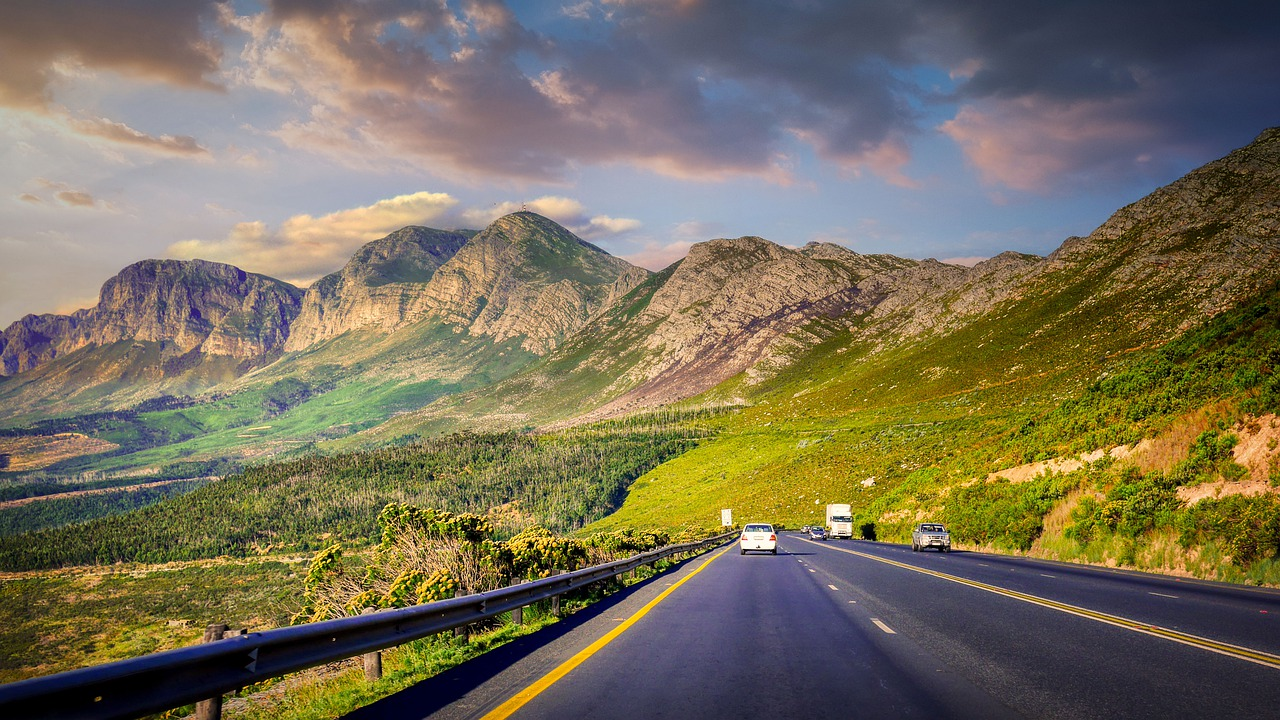
How to protect your wallet this Easter — and get home safe.
Nomzamo Khosa · Elevate Finance Partners
| Sis, I’ll be honest with you. When I saw these fuel numbers come out, I sat with my tea and I said: “Lord, this one is going to need strategy.” Because this is not a regular price adjustment. This is a big one. And it lands right in the middle of Easter weekend — when we’re supposed to be resting, celebrating, and travelling. So before we go anywhere, let’s talk money first. |
This month we have been talking about smart swaps and letting your money work harder even when life feels tight. And we are going to need every single one of those swaps — because tomorrow, 1 April 2026, South Africa will be waking up to one of the biggest fuel price hikes we have seen in years. It is making headlines already — and not in a good way.
We are not here to panic. We are here to plan. That is what faithful stewardship looks like — not pretending the problem is not there, but responding with wisdom instead of fear.
Let’s Talk Numbers — The Real Ones
The price increase hitting us tomorrow is already being called one of the biggest in years. Here is what you need to know in plain language:
| ~R5.82 more per litre 95 Unleaded Petrol | ~R10+ more per litre Diesel 50ppm |
| ~R320 more To fill a 55-litre tank vs March | 8.76% Eskom hike Same day, 1 April |
To fill a 55-litre tank, you are paying roughly R320 more than you were in March. For most of us driving medium-sized cars, this is not a small thing. This is a real line in the budget that has just gone up.
And it does not stop at the petrol station. Because diesel is what moves the trucks that bring our food, our goods, our everything — expect your supermarket and spaza prices to start going up too. Taxis are already talking about fare increases. E-hailing drivers are struggling. This is a chain reaction, and we are all in it.
“The prudent see danger and take refuge, but the simple keep going and pay the penalty.” Proverbs 22:3
Why Is This Happening?
Before I give you your action steps, let me explain what is driving this — because when you understand the system, you stop feeling like a victim of it.
South Africa imports most of its refined petrol and diesel. That means when the Rand gets weaker against the US Dollar, and when oil prices rise internationally, we pay for it straight away. Right now, conflict in the Middle East has pushed oil prices up sharply, the Rand has been under pressure, and National Treasury added a fuel levy in the February Budget on top of it all. Three separate things hitting at the same time. One wallet.
And this is important: this is not permanent. Markets change. The Rand recovers. Prices come down. But right now, going into April, our job is to protect what we have.
Fuel-Saving Tips for Easter Travellers
I am not going to tell you to stay home. Easter matters — for your faith, your family, your rest. But I am going to ask you to plan a little smarter than last year. Here are things that actually make a real difference:
01 Work out your trip cost before you leave
Use Google Maps to get your distance, then multiply by how many litres your car uses per 100km, then multiply by the petrol price. A Joburg to Durban trip of about 570km in a medium-sized car can now cost you around R1,000 in fuel one way. Know this number before you start.
02 Travel early in the morning or late at night
Stop-start traffic burns a lot more fuel than open road driving. Leaving at 5am instead of 8am can save you up to 20% on fuel — and your trip will be 1 to 2 hours shorter too.
03 Fill one car with everyone going to the same place
If you, your sister, your cousin, and a friend are all heading to the same family home — fill one car. A R1,000 tank split four ways is R250 each. This is community. Ubuntu, even at the petrol station.
04 Check your tyre pressure before you leave
Tyres that are low on air make your engine work harder and burn more fuel. Most garages have free tyre air. Check all four tyres — the correct pressure for your car is usually on a sticker inside the driver door.
05 Pack a cooler box
Stopping for snacks and cold drinks at a garage during a road trip can easily cost you R150 to R250 per stop. Make sandwiches, boil eggs, freeze your water bottles before you leave. It is one of the easiest R300 savings you will make all month.
06 Drive at 120km/h on the highway — not 140
Driving at 140km/h uses about 20% more fuel than 120km/h. If your car has cruise control, use it to keep a steady speed. Every extra km/h above 120 is money leaving your pocket.
07 Check your rewards programmes
Absa Rewards, Nedbank Greenbacks, Discovery Vitality, and your Clicks or Spar card may all have fuel savings you have not activated. It will not save you R5 a litre, but even a few rands off each fill adds up over time.
What the Savings Look Like Monthly
| Habit Change | Estimated Monthly Saving |
| Sharing lifts with colleagues 3 days a week | R400 – R800 |
| Combining errands into 2 trips instead of 5 | R200 – R400 |
| Keeping tyre pressure correct | R80 – R150 |
| Driving in off-peak hours (less stop-start) | R150 – R300 |
| Using loyalty rewards at the pump | R100 – R250 |
| Total possible monthly saving | R930 – R1,900 |
Sis, that is a full month’s TFSA contribution hiding inside your driving habits. We find the money where it is leaking before we go looking for more.
| Quick Faith Check: Stewardship is not just what we tithe on Sunday. It is what we do on Monday morning when we get in the car. Every rand we save with intention is a rand that can grow with purpose. Reduce what you owe. Grow what you own — even at the pump. |
Let’s Talk About Getting Home Safe
I cannot write this post without talking about road safety. Because the same Easter that stretches our budget also puts more cars on the road — and the numbers are sobering.
Last Easter in 2025, South Africa recorded 167 road deaths over the holiday weekend. That was actually a drop of nearly 46% from 307 deaths in 2024 — progress that was hard won. But 167 families still did not see someone they loved come home. And nearly half of all road deaths involved people on foot, not in cars.
This Easter, with financial pressure running high and more vehicles on the road, I need us to be deliberate about safety. Not as a legal duty. As a spiritual one.
“The Lord will keep you from all harm — he will watch over your life; the Lord will watch over your coming and going both now and forevermore.” Psalm 121:7–8
Non-Negotiables on the Road This Easter
— Rest before you drive
Driving when you are tired is just as dangerous as drunk driving. If you are planning an early start, sleep first. No family gathering is worth a life.
— Seatbelts for every single person in the car
Back seat passengers are not optional. No one in your car moves before everyone is buckled.
— Zero alcohol behind the wheel
The highest reading taken at a roadblock last Easter was nearly 10 times the legal limit. Not in our community. Not on our roads.
— Phone goes in the cubbyhole
At 120km/h, looking at your phone for 3 seconds means travelling the length of two rugby fields without watching the road. It can wait.
— Watch for pedestrians, especially in townships and rural areas
Almost half of Easter road deaths are pedestrians. Slow down on roads near homes, schools, and taxi stops.
— Check your car before you leave
Lights, oil, water, tyres, brakes. Ten minutes at home is so much better than two hours on the side of the N3 waiting for a tow truck.
I want to say something to the mothers reading this. You are often the one who decides when the family leaves, which route you take, whether you stop or push on. That quiet, practical authority you carry — use it for safety. Leave early. Enforce the seatbelt rule. Pull over when you are tired. No one will thank you in the moment, and everyone will thank God when you all walk through the door safe.
Before You Leave — Your Quick Checklist
- Calculate your fuel cost for both directions — write the number down before you leave
- Check your tyre pressure, oil, water, and brake lights
- Pack your cooler box — food, snacks, and frozen water bottles for every person
- WhatsApp your route and expected arrival time to someone not travelling with you
- Save the AA roadside number: 0861 000 234 — do it now, not when you need it
| This fuel situation is real, it is hard, and it is okay to feel the weight of it. But we are people who have walked through load-shedding, rate hikes, and difficult seasons before — and we have come through. The answer is not panic. The answer is preparation, community, and faith. We reduce what we owe. We grow what we own. And we come home safe. |
The Real Price Paid This Season
Before we close, I want to pause from all the rands and cents for just a moment.
We have spent this whole post talking about the price of fuel. And yes, that price is real and it is heavy. But this Easter weekend, as you travel those roads, I want you to remember the price that was paid long before any fuel levy was ever written into a budget.
Jesus paid a price that no amount of money could ever cover. He did not negotiate the cost. He did not look for a loyalty reward or a discount. He paid in full. On a cross. For you. For me. For every woman reading this who is stretched thin, carrying more than she lets on, and still showing up.
So as you pack your cooler box, check your tyre pressure, and budget your rands for the road — take a moment this weekend to sit with that. To be grateful. To worship. To remember that the resurrection we celebrate is not just a public holiday. It is a promise. It is proof that no matter how heavy things feel right now, the story does not end on Friday.
Sunday is coming.
“For God so loved the world that He gave His one and only Son, that whoever believes in Him shall not perish but have eternal life.” John 3:16
Blessings & Abundance,
Have a blessed Easter weekend, sis. Travel safe. God is with you on the road and when you arrive.
What is one ‘smart swap’ you’re making for your Easter travel this year? Tell me in the comments—let’s inspire each other to stay within budget.
Leave a Reply